Local products in the Philippines: trends and opportunities for online sellers
Jayson12 Dec 2025 09:17ENCopy link & title
The demand for authentic Filipino goods is growing fast — and that’s good news if you sell online. The Philippines’ digital economy is expanding rapidly, creating room for local snacks, handcrafted items, natural wellness products, and regionally made fashion to find new buyers across the country and abroad.
Below is a practical guide to help you choose local products, source them safely, and sell them profitably on popular Philippine platforms.
The Philippine digital economy is on a strong growth trajectory, with GMV (gross merchandise value) and online spending rising year-on-year. This expansion means more shoppers are browsing marketplaces and social channels for everyday items and specialty local goods — creating scale and discovery opportunities for sellers who position local products correctly.
The growing online demand makes it easier to test regionally made products without huge upfront investment.
Focus on categories that already show strong online demand and pair well with Filipino heritage storytelling, and pick one category to test, prioritize products with clear provenance and straightforward logistics.
(1). Work with cooperatives and barangay artisans
DTI and regional trade fairs actively promote MSMEs — a good way to find quality makers and learn seasonal availability.
(2). Use sample orders and small production runs
Validate demand with a small batch before scaling.
(3). Negotiate minimums and lead times upfront
Many artisans work on-demand; clear timelines prevent stockouts.
(4). Use ERP tools
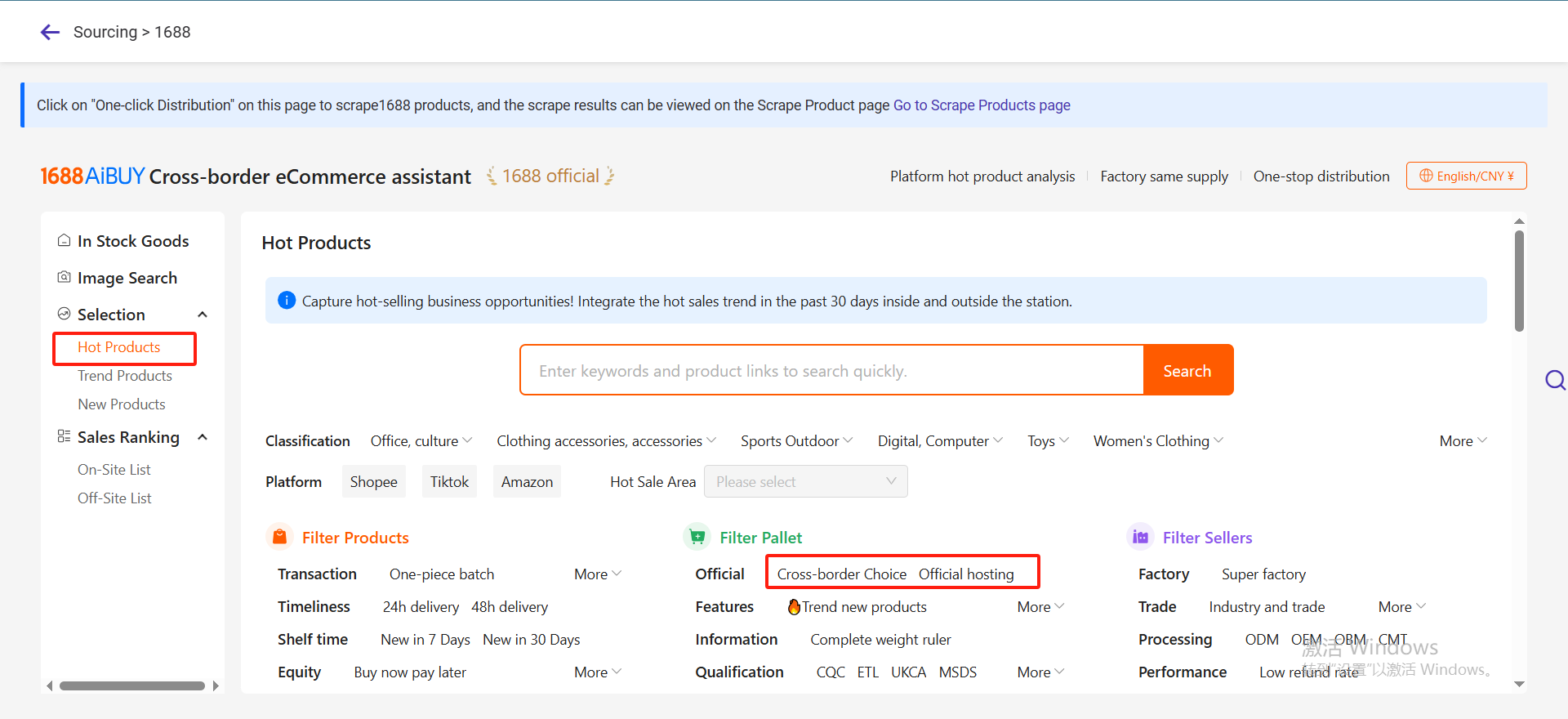
ERP tool like BigSeller enable PH user find reliable suppilers and place purchase order directly
If you sell food, supplements, or certain topical wellness items, registration and labeling rules apply. The FDA Philippines requires product registration, appropriate labeling, and sometimes a Certificate of Product Registration for processed foods and dietary supplements. Administrative orders and manuals outline classification and required documents — follow them to avoid delisting or penalties.
For non-food items, check DTI guidance for product standards and look into basic business registrations to build trust (Business Name, BIR, and a simple returns policy).
Marketplaces: Shopee remains the dominant marketplace in the Philippines for general e-commerce traffic; Lazada and emerging channels like TikTok Shop are important for discovery and impulse buys. Match product type to platform (e.g., food and mass-market items on Shopee; artisan, higher-AOV items on social and niche boutiques).
Storefront & social: Use a small Shopify or Facebook Shop to capture repeat customers; social platforms (Reels, TikTok) are powerful for showing how a product is made — story sells local goods.
Conclusion:
Local Filipino products have strong emotional pull and market momentum. With careful sourcing, correct compliance, and clear online presentation, Filipino e-commerce sellers can turn regional craft and food specialties into sustainable online income streams.
For sellers who want to operate on multiple e-commerce platforms simultaneously, tools like BigSeller can effectively assist in store management, improve efficiency, and ultimately generate more profits.

Below is a practical guide to help you choose local products, source them safely, and sell them profitably on popular Philippine platforms.
Want to manage multiple Shopee/Lazada/TikTok Shop accounts at the same time?
Vist our website to know more 👉 BigSeller ERP
Vist our website to know more 👉 BigSeller ERP
1. Why now is a great time to sell local Filipino products
The Philippine digital economy is on a strong growth trajectory, with GMV (gross merchandise value) and online spending rising year-on-year. This expansion means more shoppers are browsing marketplaces and social channels for everyday items and specialty local goods — creating scale and discovery opportunities for sellers who position local products correctly.
The growing online demand makes it easier to test regionally made products without huge upfront investment.
2. Best local product categories to consider
Focus on categories that already show strong online demand and pair well with Filipino heritage storytelling, and pick one category to test, prioritize products with clear provenance and straightforward logistics.
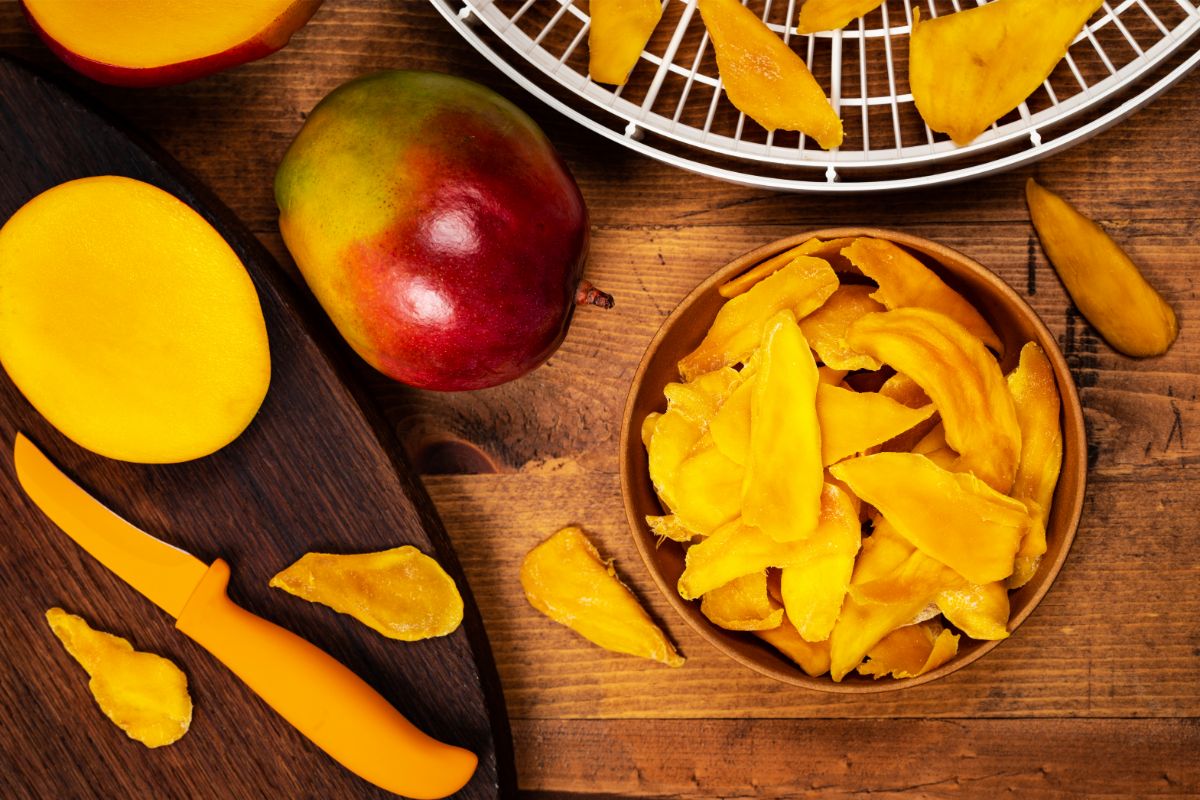
- Food & snacks (dried mangoes, polvoron, coffee beans, regional delicacies) — Consumables with a strong regional identity travel well online; premium packaging and clear shelf-life info help sales.
- Handmade & artisan crafts (woven bags, home décor, jewelry) — Buyers look for authenticity and sustainability; high perceived value if you tell the maker’s story.
- Health, wellness & personal care (coconut-based products, natural soaps, herbal supplements) — Rising interest in natural/organic items; be careful with claims and registration (see compliance).
- Fashion & lifestyle (indigenous fabrics, small-batch apparel) — Good margins when you focus on unique designs and social content (UGC, reels).
3. Sourcing: where to find reliable local suppliers
(1). Work with cooperatives and barangay artisans
DTI and regional trade fairs actively promote MSMEs — a good way to find quality makers and learn seasonal availability.
(2). Use sample orders and small production runs
Validate demand with a small batch before scaling.
(3). Negotiate minimums and lead times upfront
Many artisans work on-demand; clear timelines prevent stockouts.
(4). Use ERP tools
ERP tool like BigSeller enable PH user find reliable suppilers and place purchase order directly
4. Compliance & product safety
If you sell food, supplements, or certain topical wellness items, registration and labeling rules apply. The FDA Philippines requires product registration, appropriate labeling, and sometimes a Certificate of Product Registration for processed foods and dietary supplements. Administrative orders and manuals outline classification and required documents — follow them to avoid delisting or penalties.
For non-food items, check DTI guidance for product standards and look into basic business registrations to build trust (Business Name, BIR, and a simple returns policy).
5. Where to sell local products online
Marketplaces: Shopee remains the dominant marketplace in the Philippines for general e-commerce traffic; Lazada and emerging channels like TikTok Shop are important for discovery and impulse buys. Match product type to platform (e.g., food and mass-market items on Shopee; artisan, higher-AOV items on social and niche boutiques).
Storefront & social: Use a small Shopify or Facebook Shop to capture repeat customers; social platforms (Reels, TikTok) are powerful for showing how a product is made — story sells local goods.
Conclusion:
Local Filipino products have strong emotional pull and market momentum. With careful sourcing, correct compliance, and clear online presentation, Filipino e-commerce sellers can turn regional craft and food specialties into sustainable online income streams.
For sellers who want to operate on multiple e-commerce platforms simultaneously, tools like BigSeller can effectively assist in store management, improve efficiency, and ultimately generate more profits.
BigSeller is the ultimate FREE e-commerce ERP for Southeast Asian sellers, designed to supercharge your business. Streamline everything in one place—from product listings and order processing to inventory management, financial tracking, and automated operations.
Vist our website to know more 👉BigSeller ERP
Vist our website to know more 👉BigSeller ERP
BigSeller-Blog Senior Writer: Jayson
Sir Jayson has worked in well-known e-commerce companies such as Shopee and TikTok Shop, helping hundreds of sellers to deepen their e-commerce industry, expand their business, and eventually become high-quality sellers.